
THE ART OF SOURDOUGH.
UNDERSTANDING NATURAL FERMENTATION
Great dough begins long before it reaches the oven.
At Mangio Fresco, we believe fermentation is one of the most fascinating parts of baking. It is where flour, water, time, and living cultures come together to develop the character of a dough.
Rooted in tradition and shaped by the baker’s craft, sourdough offers different ways to approach bread and pizza making. From an active dried culture to a liquid starter or a carefully prepared preferment, each method brings its own process and possibilities.
Explore the world of natural fermentation and discover three different approaches to working with sourdough.
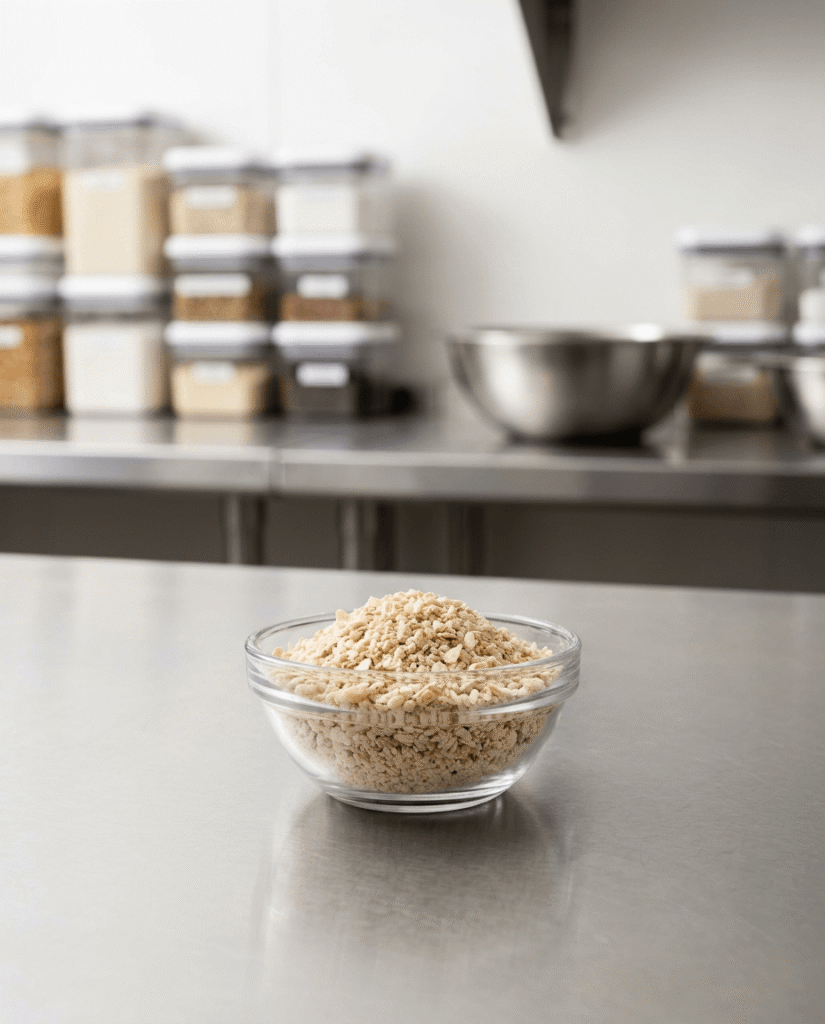
ACTIVE DRIED SOURDOUGH
A living culture in a convenient form.
Active dried sourdough is a dehydrated culture designed to be reactivated according to its specific instructions. Drying makes the culture easier to store and handle, while rehydration and suitable conditions allow the microorganisms to become active again.
Once properly reactivated, a suitable dried starter can be used to develop and maintain a sourdough culture for baking.
What makes it distinctive?
Convenient storage and handling
A practical way to begin working with sourdough cultures
Reactivation and fermentation according to the product’s instructions
Best understood as: a dried culture that needs the correct conditions to become active.
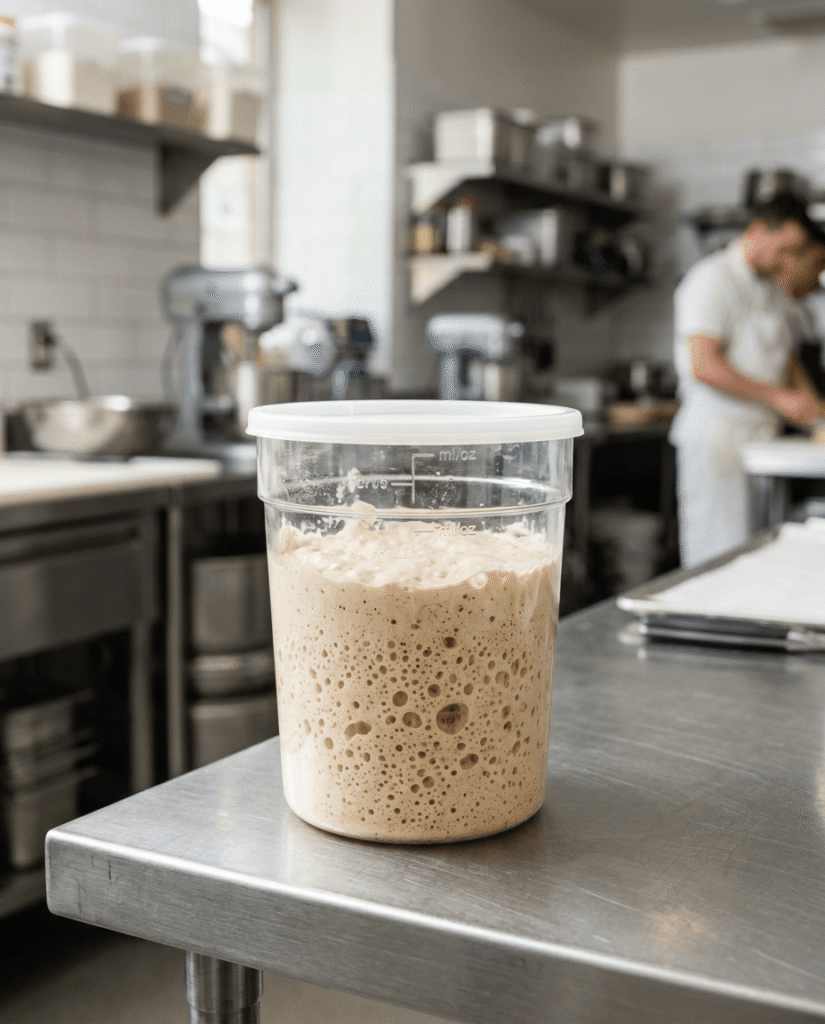
LIQUID SOURDOUGH
A living culture in its hydrated form.
Liquid sourdough is a hydrated culture of flour, water, and naturally occurring yeasts and lactic acid bacteria. When active and properly maintained, it can ferment dough and contribute to the aroma, flavor, and structure of baked goods.
Its fluid consistency makes it easy to incorporate into many dough recipes, although its hydration level must be considered when calculating the recipe’s total flour and water.
What makes it distinctive?
A hydrated, fermenting culture
Easy incorporation into doughs
Fermentation that responds to temperature, feeding, and time
Best understood as: an active sourdough culture maintained in liquid form.
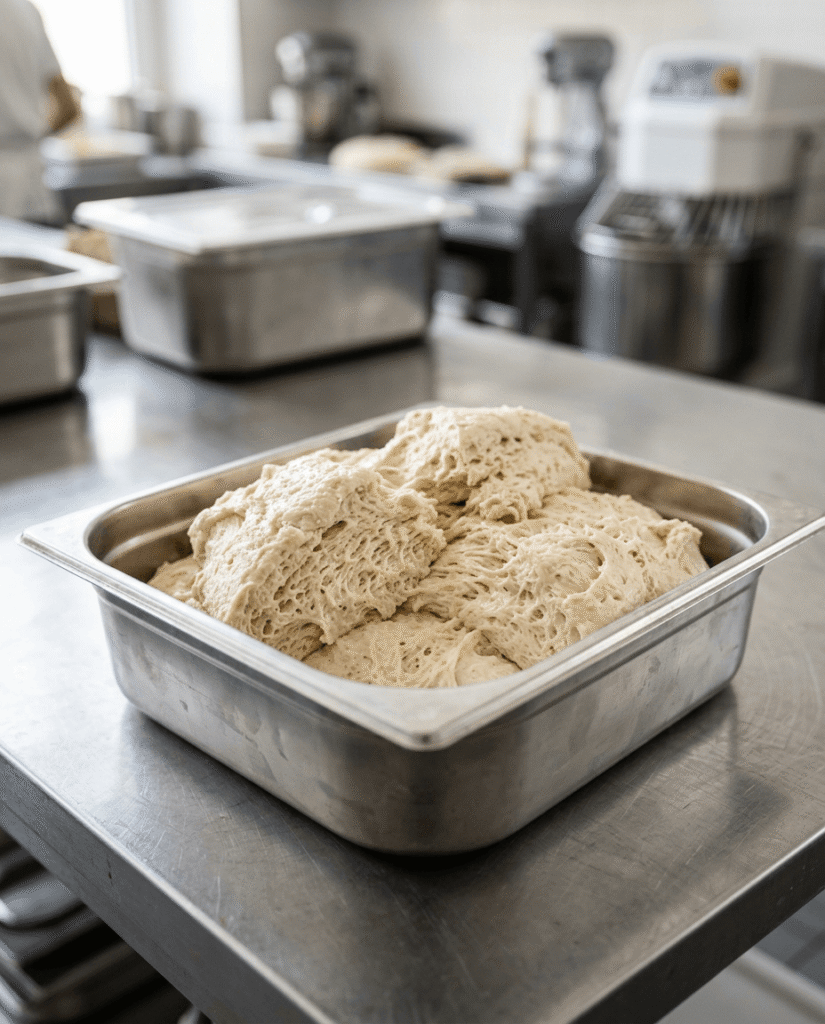
SOURDOUGH BIGA
The Italian tradition, approached through natural fermentation.
Biga is a traditional Italian preferment used in bread and pizza making. In its classic form, it is generally prepared with flour, water, and commercial baker’s yeast, then fermented before being added to the final dough.
At Mangio Fresco, our approach uses sourdough culture as the basis of the preferment. This makes it a sourdough-based biga: a pre-fermented dough that brings natural sourdough fermentation into a technique associated with Italian baking.
The results depend on the flour, hydration, fermentation time, temperature, and the activity of the culture.
What makes it distinctive?
A preferment prepared ahead of the final dough
Sourdough culture as the fermentation source
A technique that can influence dough aroma, strength, and texture
Best understood as: a pre-fermented dough made using sourdough culture, rather than the classic yeast-based biga.
THREE FORMS.
ONE WORLD OF FERMENTATION.
Although these approaches share a connection to fermentation, they are not interchangeable.
Active dried sourdough describes the culture’s dried form.
Liquid sourdough describes a hydrated culture.
Biga describes a preferment, a preparation fermented before it is incorporated into a final dough.
THE MAGIC IS IN THE PROCESS
Fermentation is influenced by many factors: flour, hydration, temperature, time, and the balance of microorganisms in the culture.
There is no single formula for every dough.
The craft lies in understanding the process, observing how the dough develops, and learning how each ingredient contributes to the final bake.
At Mangio Fresco, we celebrate the knowledge passed down through generations and the curiosity that keeps the art of baking alive.
MANGIO FRESCO Respect the process. Trust the time. Enjoy the craft.